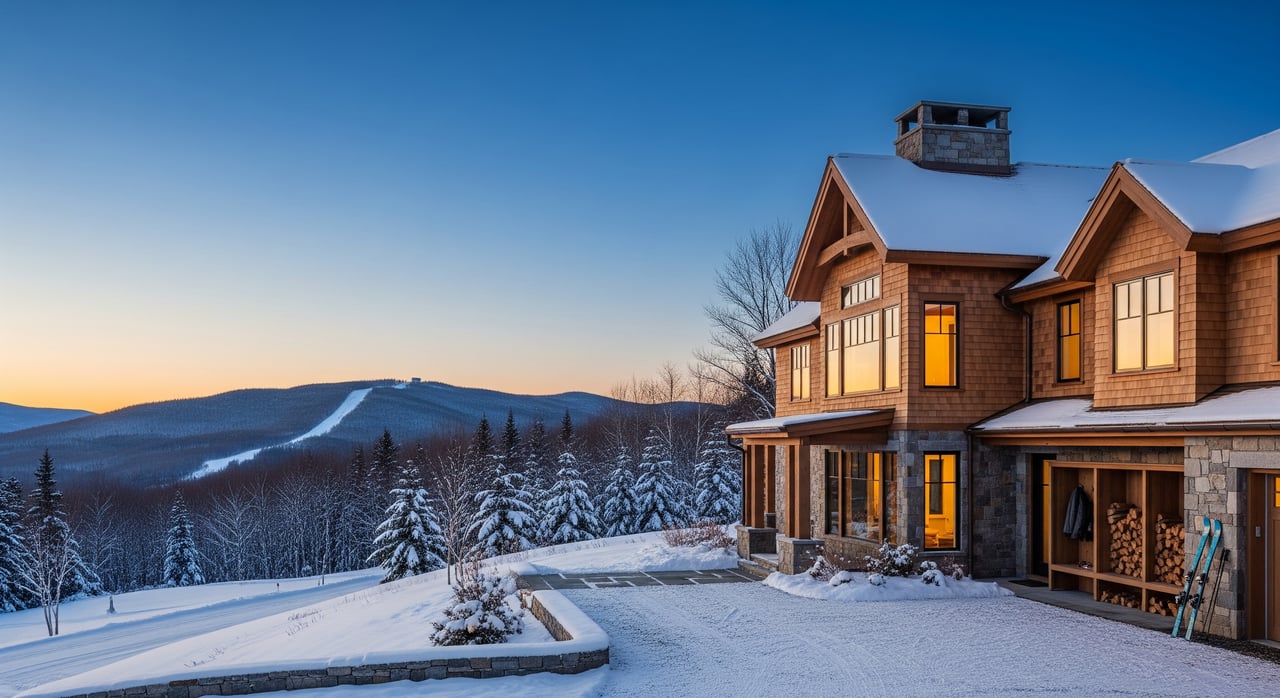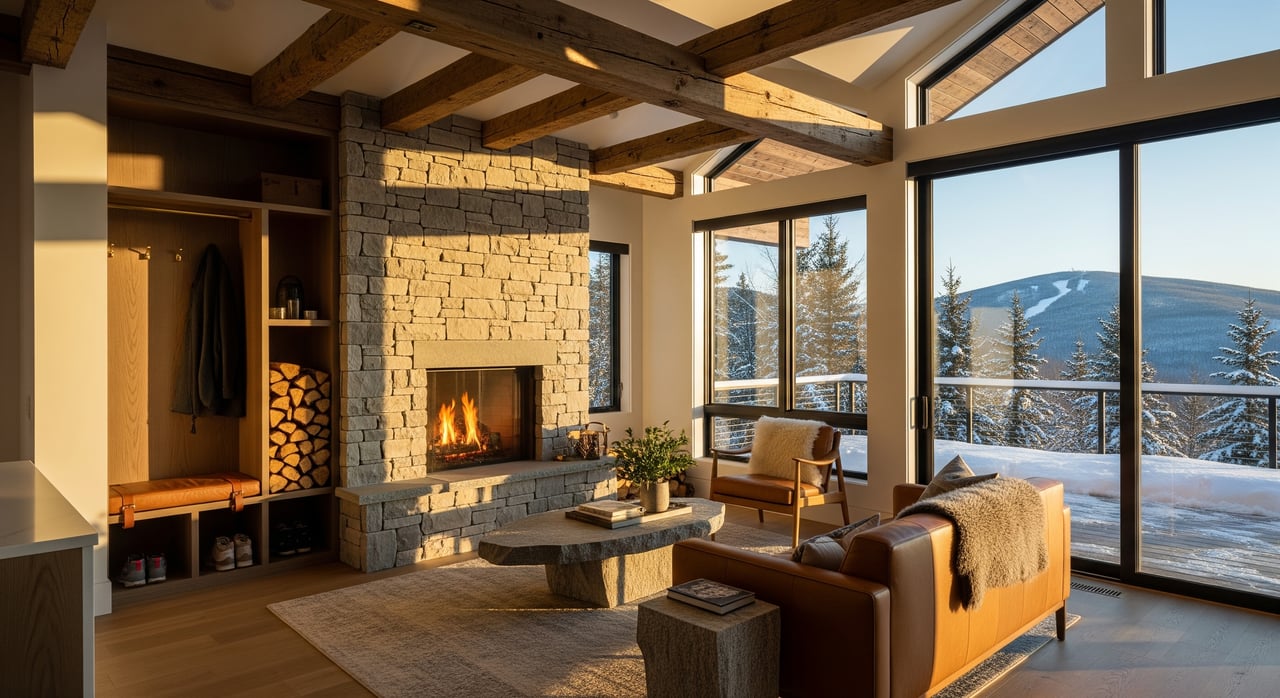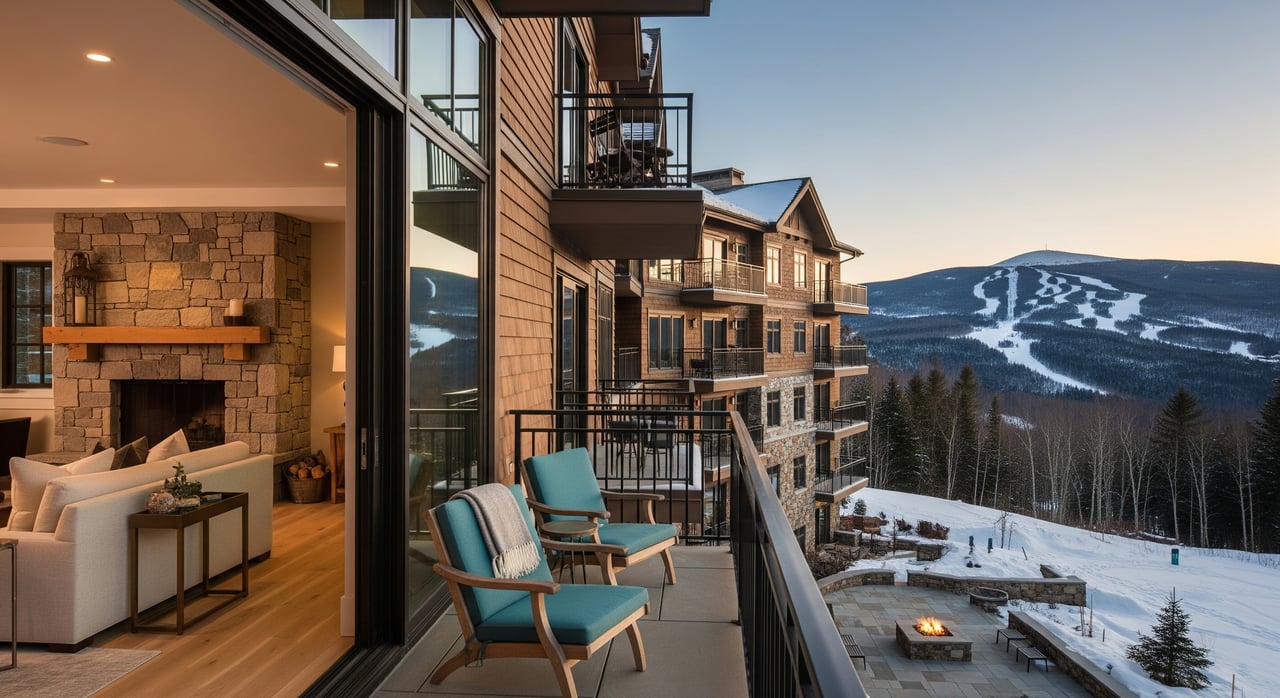

Trying to decide between a condo and a single‑family house near Londonderry? You’re not alone. In Windham County, lifestyle, maintenance, and winter realities all play a big role in what will actually fit your plan. In this guide, you’ll compare costs, responsibilities, financing, rental rules, and everyday living so you can choose with confidence. Let’s dive in.
Condo vs house basics
What you own
- Condos: You own the interior of your unit plus a share of common areas. A condominium association governs rules and maintenance.
- Houses: You own the structure and the land. You make the decisions unless you’re in a subdivision with covenants.
Who handles maintenance
- Condos: Associations typically handle exterior care, roofs, landscaping, and snow removal. Some include utilities or shared systems.
- Houses: You handle it all, from roof and driveway to yard, septic, and well. You choose the vendors and timelines.
Monthly and surprise costs
- Condos: Expect monthly HOA fees for services and reserves. Review budgets, reserve studies, insurance, and meeting minutes to gauge the risk of special assessments.
- Houses: No monthly HOA fee in most cases, but you’ll have variable costs and larger capital projects over time.
Local factors in Londonderry
Proximity and seasonality
Londonderry’s market blends year‑round residents and second‑home owners drawn to outdoor recreation. Proximity to ski areas and trail networks attracts seasonal demand, while spring and summer often bring more listing activity. Smaller condo communities near recreation hubs can sell faster than remote houses, though you’ll want current MLS data to compare specific trends.
Roads, snow, and access
Winter matters here. Condos can be easier if the association handles plowing and sanding. For houses, confirm whether the road is town‑maintained or private. Private roads often come with shared road maintenance agreements and costs. Consider driveway grade, sun exposure, and where the plow piles snow.
Wells, septic, and terrain
Many single‑family homes use private wells and septic systems. Ask for septic inspection history and well water tests. Terrain, streams, and wetlands are common in Vermont, so check flood risk and any environmental constraints before you commit. Condos share infrastructure, but unit owners can still be assessed for major projects.
Short‑term rentals and local rules
If you plan to rent, verify two layers of rules:
- Town: Review Londonderry zoning and any short‑term rental requirements or permits.
- Association: Many condos limit rentals or set minimum lease terms. Confirm policies in the bylaws and declarations.
The state also has rooms and meals tax rules and registration requirements for short‑term rental operators. Build these details into your pro‑forma.
Financing and insurance differences
Condo loans
Condo underwriting can be stricter. FHA and VA require project approvals, and some conventional lenders have their own condo project standards. Smaller associations without approvals can narrow financing options. Work with a lender experienced in Vermont condo underwriting and with appraisers who know Windham County.
Insurance basics
- Condos: You’ll likely carry an HO‑6 policy to cover interior finishes and personal property. The association’s master policy may be “all‑in,” “bare walls,” or “single entity.” Ask for the master policy and insurable boundaries, and confirm deductibles for wind, ice, and freeze claims.
- Houses: You’ll typically carry an HO‑3 policy covering the dwelling, liability, and personal property. Flood insurance is separate for both condos and houses if the property lies in a FEMA flood zone.
Taxes and Vermont programs
Property taxes are assessed locally on assessed value for both condos and houses. Vermont’s Homestead Declaration and income‑based programs can affect your effective tax rate if the property is your primary residence. Check current guidance through the Vermont Department of Taxes and confirm local assessment details with the Londonderry assessor.
Cost components to compare
- Purchase price and property taxes: Use recent sales and the Town of Londonderry assessor to frame expectations.
- HOA fees and reserves (condos): Review budgets, reserve studies, meeting minutes, and any history of special assessments.
- Utilities and heating: Rural homes may use oil, propane, wood, pellet, or electric heat. Some condos include heat in fees or use centralized systems. Green Mountain Power serves most of Vermont, and Efficiency Vermont offers energy upgrade programs.
- Capital projects: Houses face roof, siding, septic, and driveway replacement on your timeline. Condos share costs but can levy special assessments.
Buyer checklists
Condo buyer checklist
- Get association docs: bylaws, declaration, rules, and minutes from the last 12–24 months.
- Review financials: current budget, balance sheet, reserve study, master insurance policy, and any pending litigation.
- Ask about assessments: past projects, upcoming capital needs, and how reserves will cover them.
- Confirm rental rules: minimum terms, caps, registration, and short‑term rental policies.
- Verify financing: whether the project meets your lender’s requirements and any FHA/VA approvals you need.
House buyer checklist
- Septic and water: request septic inspection records and well water test results.
- Systems and utilities: review recent utility bills, heating fuel type, and service history.
- Access and winter: confirm town vs private road maintenance and snowplowing arrangements.
- Structure and site: inspect roof, driveway, foundation, drainage, and lot boundaries.
- Environmental and flood: assess flood risk and any wetlands or stream setbacks.
Seller prep tips
- Condos: Assemble a clean package of association documents and financials. Be ready to answer questions about reserves, assessments, insurance, and rental policies.
- Houses: Make septic and well records easy to access, consider a pre‑listing inspection, and compile receipts and warranties for recent improvements.
- Timing: Consider seasonality. Winter marketing can highlight ski access and snow services, while summer showcases trails, water, and curb appeal.
Lifestyle fit: which one suits you?
Choose a condo if you want
- A low‑maintenance, lock‑and‑leave setup close to recreation.
- Predictable services like plowing, landscaping, and exterior care.
- Shared amenities and a community setting.
- Fewer personal logistics if you plan to visit on weekends or rent seasonally.
Choose a house if you want
- Land, privacy, and flexibility for additions or outbuildings.
- Full control over decisions without HOA rules.
- Space for storage, hobbies, or pets, and the ability to customize.
- Potential long‑term appreciation linked to land and improvements.
Next steps in Londonderry
- Clarify your priorities: proximity to slopes, privacy, rental income, or hands‑off maintenance.
- Price the full picture: total monthly cost equals mortgage, taxes, insurance, and HOA fees (if applicable), plus utilities and reserves for capital work.
- Line up your team: a local lender familiar with Vermont condos, a home inspector who knows septic and wells, and a Realtor with Windham County experience.
- Do targeted due diligence: condo docs and reserves for units; septic, well, access, and flood considerations for houses.
If you want clear options and a smooth process, let’s talk about what fits your plan in or near Londonderry. Reach out to Jacki Murano for a high‑service, low‑pressure consultation.
FAQs
What costs should I compare for a Londonderry condo vs a house?
- Add up mortgage, taxes, insurance, and utilities, then compare HOA fees and reserves for condos against expected maintenance and capital projects for houses.
Is a condo near Londonderry harder to finance than a house?
- It can be, since some lenders require condo project approvals and FHA/VA have specific standards; use a lender experienced with Vermont condos.
How do short‑term rental rules work for condos and houses?
- Check Londonderry zoning and state tax requirements, then review condo bylaws for rental caps or minimum lease terms before you buy.
What inspections are most important for rural Vermont houses?
- Septic inspection and well water testing are essential, along with roof, foundation, drainage, access, and heating system evaluations.
Do condos handle all winter maintenance near the ski areas?
- Associations typically cover plowing, sanding, and exterior care, but confirm the scope of services and what you must handle inside the unit.
How do Vermont property taxes differ for condos and houses?
- Both are assessed locally on value; the homestead status and state programs can affect primary residences, so confirm with the Town assessor and the state.