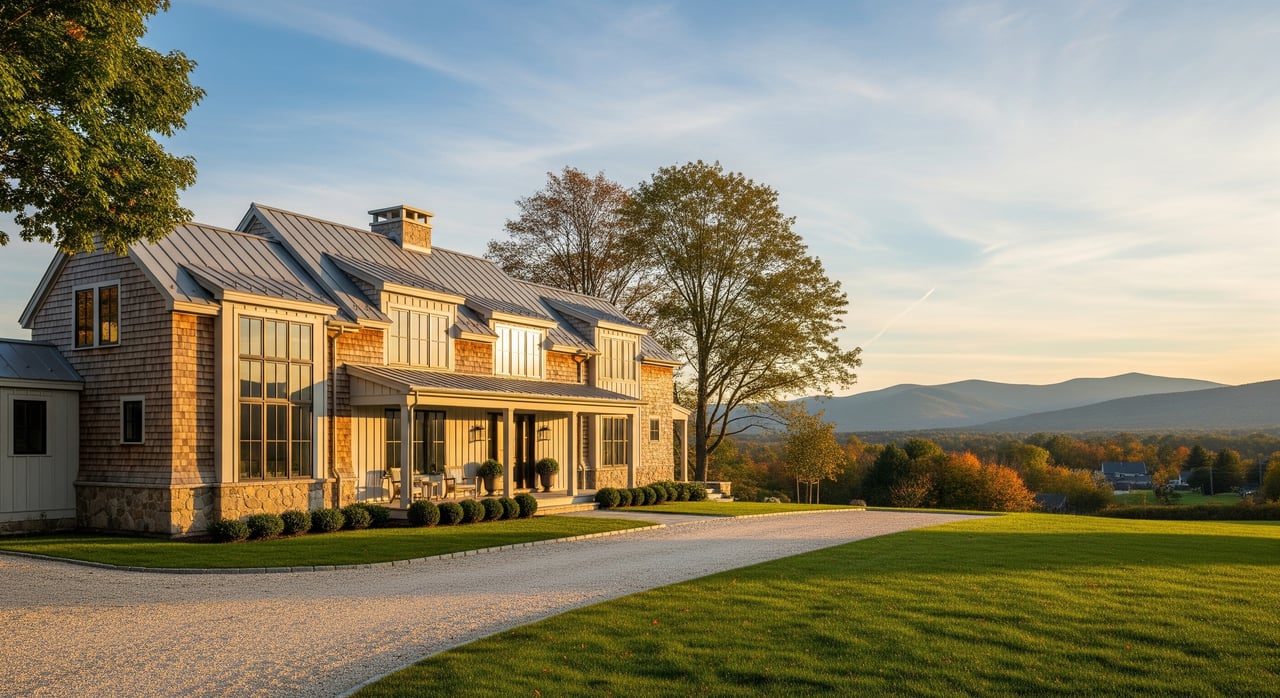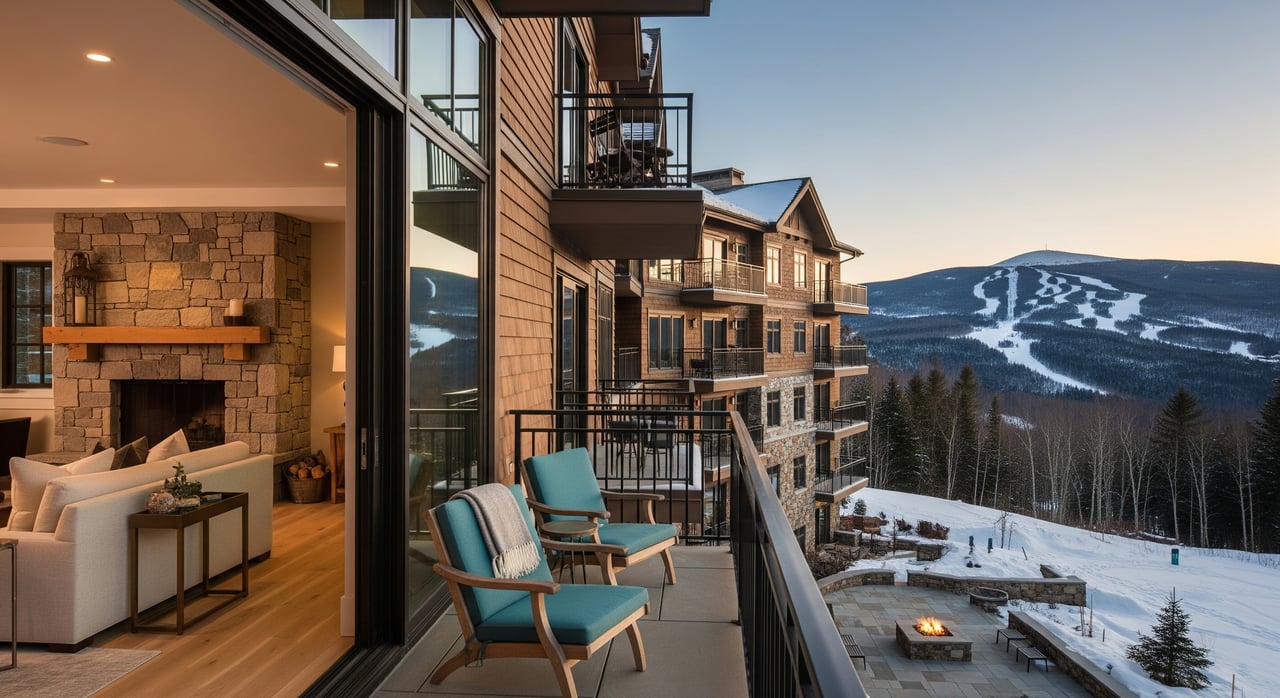
Dreaming of your own place to warm up after a bluebird day at Mount Snow? If you are shopping in Wilmington or getting your current home ready to sell, a few smart features can make winter living easier, safer, and more enjoyable. They also matter for resale and short-term rental appeal. In this guide, you will learn the must-haves for Vermont ski homes, with a practical focus on our Mount Snow market. Let’s dive in.
Location and access near Mount Snow
Living close to the lifts or the resort shuttle is a top priority for many buyers. “Ski-in/ski-out” brings the highest premium, and a short 5 to 15 minute drive to Mount Snow is also very attractive. If you are not within walking distance, plan for easy driveway access and dedicated guest parking.
Winter access is about more than distance. Gentle driveway grades, good turnarounds, and space for plow trucks reduce stress on storm days. Southern or western exposure can add winter light, help with passive solar gain, and frame mountain views that boost enjoyment and resale.
Entry and gear storage that work
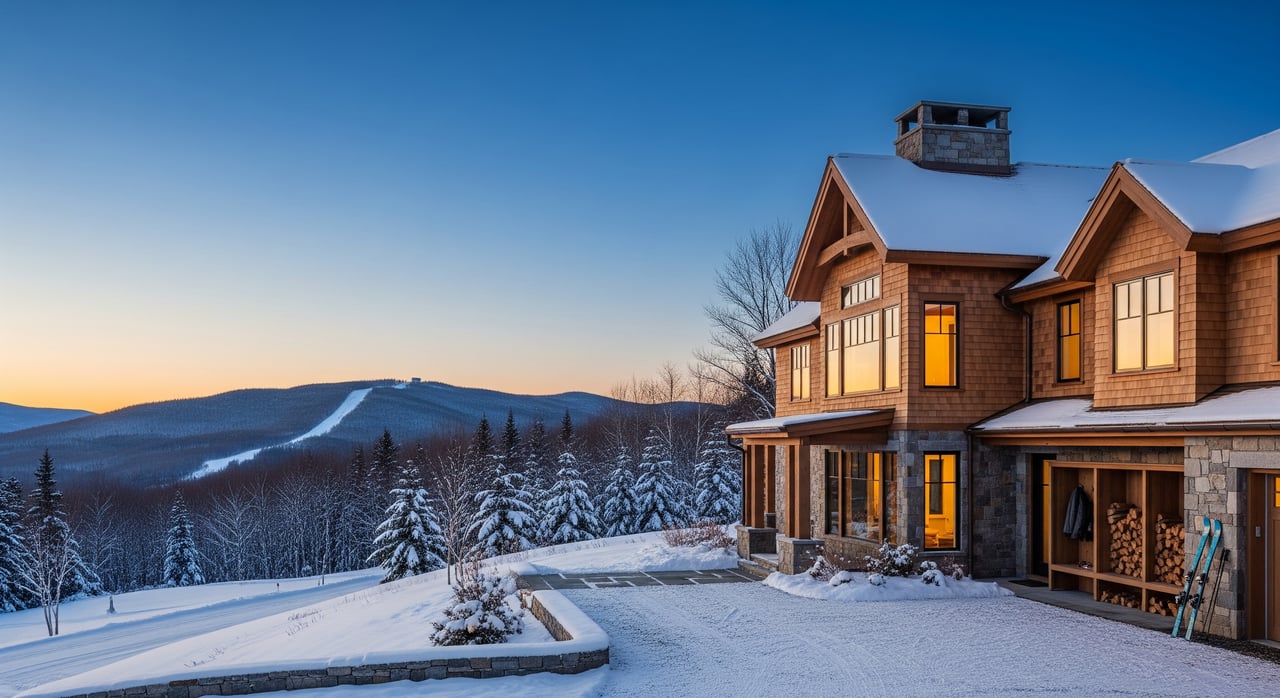
Snowy days bring wet boots, poles, helmets, and layers. A proper mudroom or entry vestibule is essential. Include durable flooring, a bench for booting up, strong hooks, and cubbies.
Dedicated ski storage near the entry or garage keeps gear organized and out of living spaces. Add racks and boot dryers, and make sure the area is ventilated to handle moisture.
Interior layout for groups and comfort
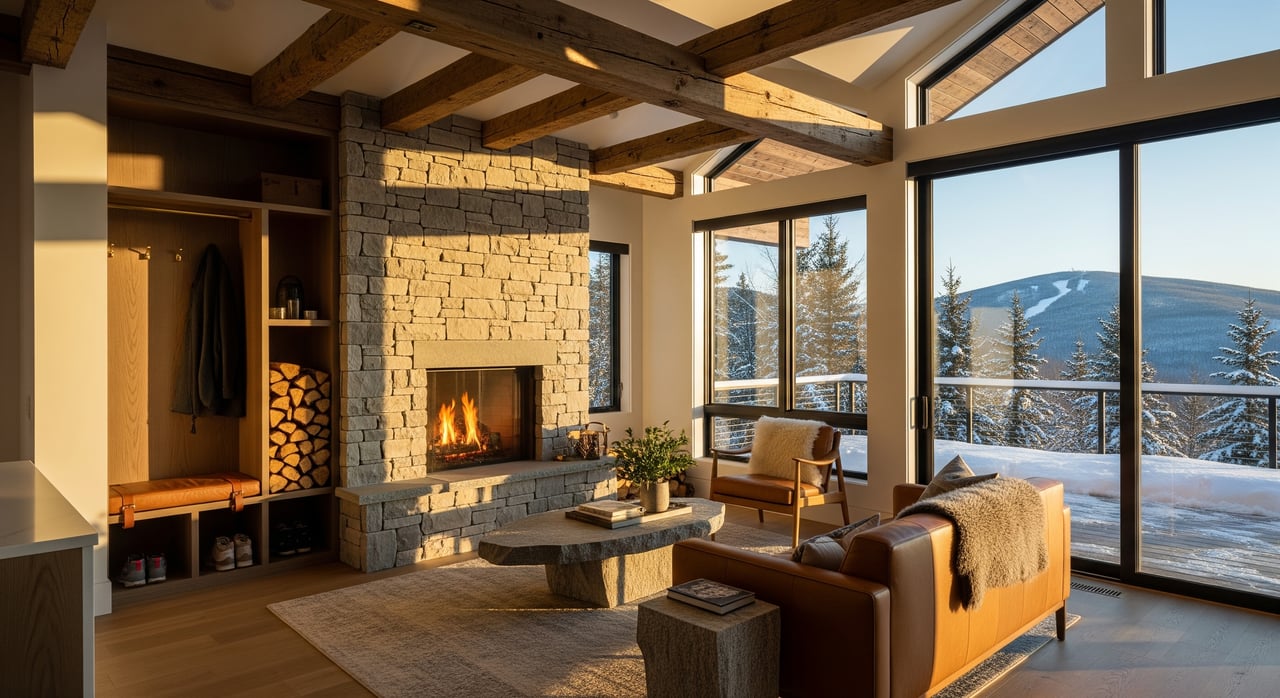
Open great rooms with a central fireplace or woodstove set the winter mood and welcome groups. Choose durable floors like tile, engineered hardwood, or waterproof vinyl for high-traffic areas. Large windows aimed at the view make the space feel bigger and brighter.
Multiple full bathrooms help groups rotate through après-ski routines faster and can lift rental revenue. Flex rooms, bunk rooms, or small sleeping nooks increase capacity without a large footprint. Locate laundry on the main bedroom level or near the mudroom for easy cleanup.
Exterior amenities that rent well
Covered or heated parking protects vehicles and makes late-night arrivals easier. A garage also adds storage space for tools and seasonal gear. Off-street guest parking is a plus for rentals.
Outdoor hot tubs are high on many wish lists. Plan for proper structural support, safe and well-lit winter access, and any permits or approvals required by the town. Decks should use low-maintenance materials, snow-safe railings, and details that limit ice buildup.
Roof and envelope built for snow
Steeper roof pitches and metal roofing tend to shed snow more effectively than low-slope or certain asphalt roofs. Snow guards or retention systems help control shed zones above entries and walkways. Make sure roof framing meets local snow-load expectations.
High-quality insulation and continuous air sealing are critical. They reduce heating costs, help prevent ice dams, and improve comfort. Pair this with efficient windows, such as low-E double or triple panes, for a tight, quiet home.
Heat, hot water, and backup power
Efficient systems matter in a cold-snow climate. Cold-climate heat pumps, high-efficiency propane boilers or furnaces, or hybrid setups perform well here. Woodstoves are popular for ambiance and supplemental heat, but they should be EPA certified and properly vented.
Size hot water systems for real-world use, especially if you plan to host groups. On-demand or well-insulated tanks can handle turnover. Backup power, whether a generator or a battery plus solar setup, can keep essentials running during winter outages.
Water, septic, and permits to check
Private wells are common. Inspect the pump age, output, and any treatment systems, and confirm winter protection. Insulate water lines in unheated spaces and make sure shutoffs are easy to reach.
Most rural homes here use private septic systems. Confirm system type, age, and capacity, as well as maintenance records. Any increase in bedroom count or additions can trigger new wastewater permits. Coordinate early with Vermont’s wastewater program and local health officials to avoid surprises.
Ice dams, ventilation, and winter durability
Proper attic ventilation, high R-value insulation, and air sealing work together to reduce ice dams. Ice and water shield at eaves and valleys adds extra protection. In higher-risk locations, consider heated gutters or roof de-icing options.
Stay on top of gutters and roof edges during storm cycles. A plan for safe roof raking, where needed, helps prevent heavy buildup and leaks.
Safety, insurance, and flood checks
Carbon monoxide detectors and smoke alarms are a must, especially with any combustion appliances. Plan annual inspections for chimneys, flues, and woodstoves. Non-slip stair treads, grippy decking, and strong exterior lighting make winter nights safer.
Talk to a local insurance professional about coverage for winter storms, ice dams, freeze damage, and tree fall. Ask about insured replacement cost versus market value. Always check FEMA flood maps and local data for potential flood risk, since some river areas see spring flooding.
Connectivity and smart home basics
Reliable high-speed internet is essential for remote work and for rentals. Confirm available providers and real measured speeds at the property. Simple automation can help manage a home from afar, such as smart locks, remote thermostats, and exterior cameras that respect privacy rules.
Snow removal and seasonal maintenance
A clear plan for snow removal saves time and headaches. Line up a driveway contractor, and consider heated driveway sections if your access is steep. Budget for regular plowing, sanding, and walkway shoveling.
Annual maintenance should include chimney sweeping, HVAC servicing, septic pumping, and trimming trees near rooflines and power lines. Keep emergency contacts, service vendors, and shutoff instructions posted in an easy-to-find place.
Winterization checklist
- Set a safe heat setpoint when away for extended periods.
- Shut off and drain exterior hose bibs and unneeded water lines.
- Insulate exposed pipes in crawlspaces or garages.
- Test smoke and carbon monoxide detectors and replace batteries.
- Stage ice melt, shovels, and roof rake where guests can find them.
- Confirm plow markers, driveway reflectors, and lighting are in place.
Value-add upgrades for ROI
Weatherization and HVAC upgrades often deliver strong comfort and cost benefits. Adding an ensuite or another full bath improves rental performance and resale appeal. Finished lower levels that add flexible sleeping or hangout space can be difference makers.
Amenities like legal, permitted hot tubs and off-street guest parking help boost nightly rates. Document permits and safety features to build trust with buyers and renters.
Short-term rentals and local rules
Short-term rental demand follows ski season peaks, holidays, and the shoulder seasons for foliage and summer. Properties near the mountain or village, with multiple bathrooms, flexible sleeping, and strong internet, tend to earn more. Before you estimate rental income or go live with listings, confirm Wilmington’s current rules, permits, occupancy limits, taxes, and parking or noise standards with the town office.
Buying or selling in Wilmington
A Vermont ski home should make winter simple, not stressful. When you focus on access, storage, durable finishes, efficient systems, and safety, you set yourself up for better living and stronger resale. If rental income matters, lean into sleeping flexibility, multiple baths, reliable internet, and guest-friendly access.
You do not have to evaluate these features alone. Our local team helps you weigh trade-offs, spot red flags, and plan smart upgrades that fit Wilmington’s climate and market. Ready to talk through your goals near Mount Snow? Connect with Jacki Murano for a high-service, low-pressure consultation.
FAQs
What makes a Wilmington ski home location valuable?
- Proximity to Mount Snow lifts or the resort shuttle, gentle driveway access, guest parking, and southern or western exposure for light and views.
How important is a mudroom in Vermont ski homes?
- Very important. A durable mudroom with benches, hooks, cubbies, and boot dryers keeps wet gear organized and protects floors.
Which heating systems work best near Mount Snow?
- Cold-climate heat pumps, high-efficiency propane boilers or furnaces, or a hybrid setup. EPA-certified woodstoves are popular for supplemental heat.
Do I need a special roof for heavy snow in Wilmington?
- A steeper pitch and metal roofing help shed snow, and snow guards manage release near entries. Confirm framing meets local snow-load expectations.
What septic considerations apply to ski homes in Windham County?
- Verify system type, size, age, and maintenance. Adding bedrooms or capacity may require permits through Vermont’s wastewater program and local officials.
How critical is internet for Mount Snow area rentals?
- Essential. Confirm provider options and actual speeds during due diligence to support remote work and guest streaming.
Are hot tubs a good investment for Wilmington rentals?
- Often yes. Hot tubs boost guest appeal and nightly rates when properly permitted, safely accessed in winter, and well maintained.
What insurance should I consider for a Vermont ski home?
- Ask about winter storm, ice-dam, freeze, and tree-fall coverage. Review insured replacement cost and check FEMA flood maps for flood risk.
What maintenance is unique to Wilmington ski homes?
- Snow removal planning, roof and gutter care to prevent ice dams, annual HVAC and chimney service, septic pumping, and pipe freeze protection.