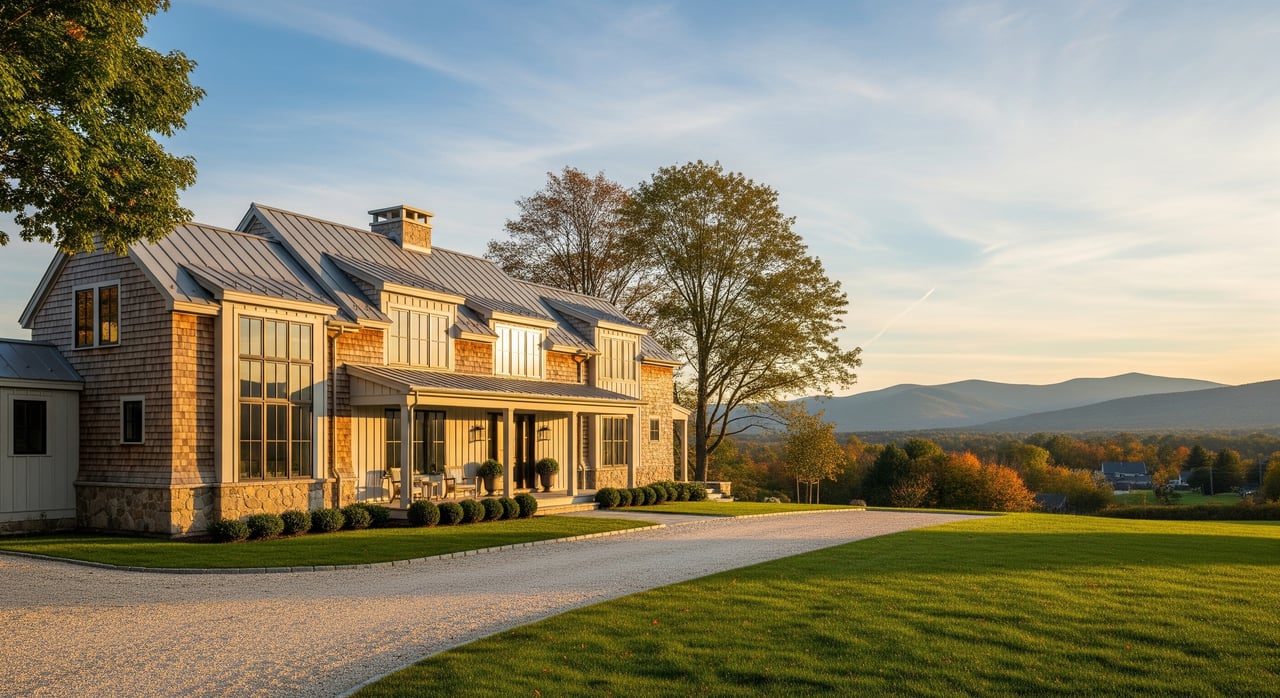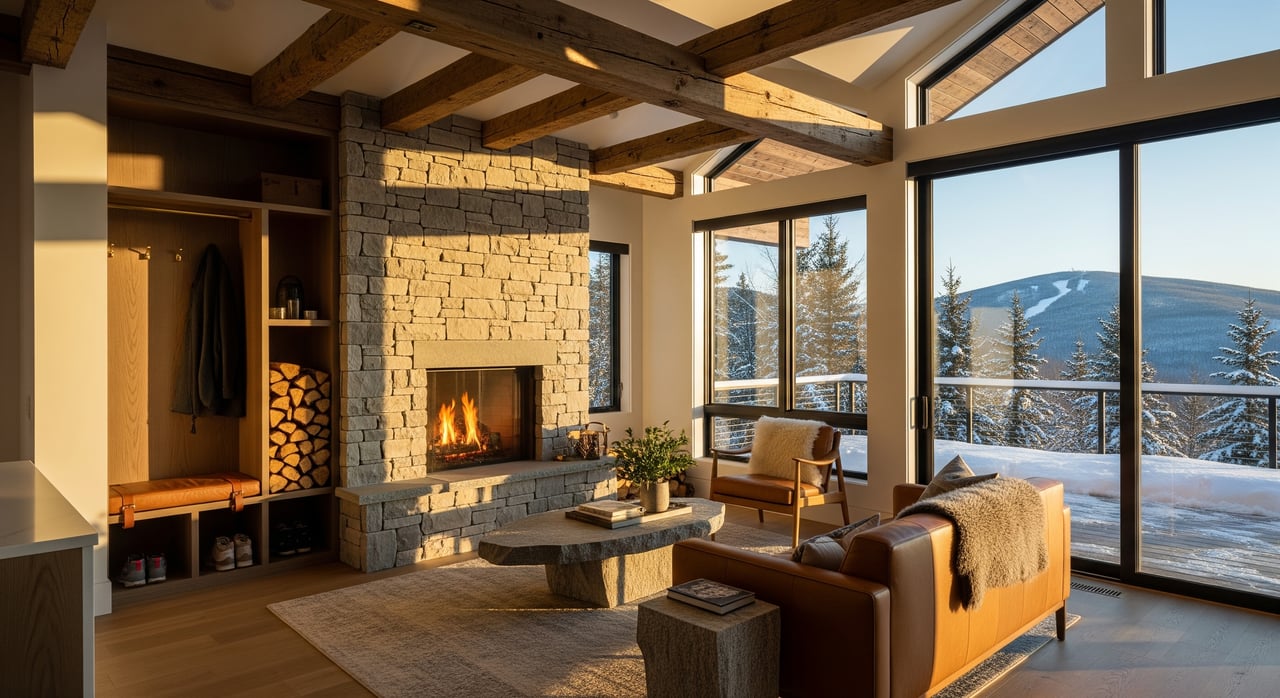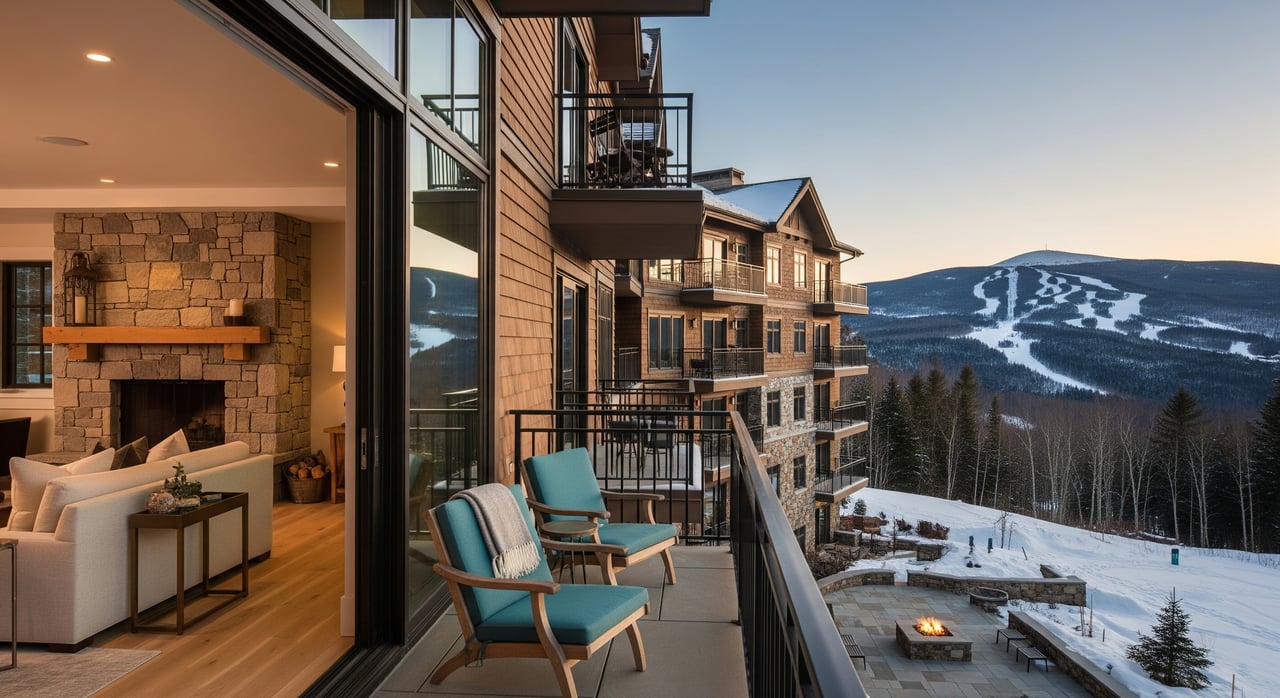
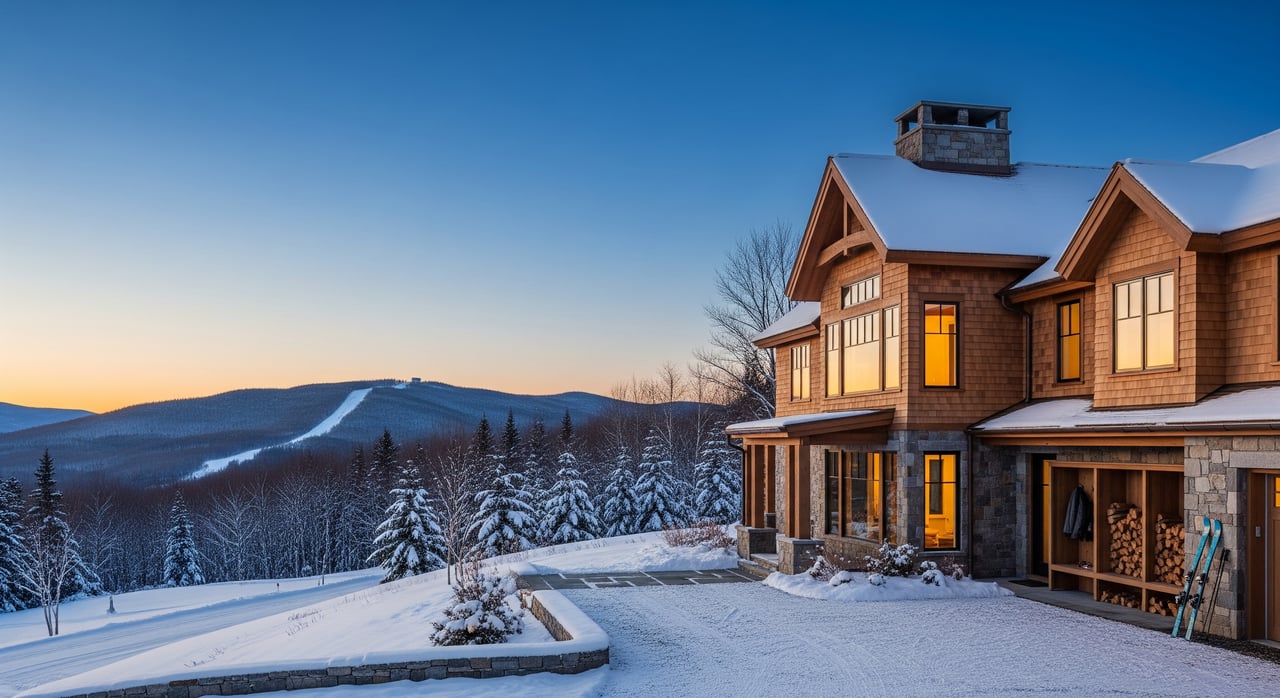
Ski season changes everything in Windham County. If you have watched lift lines at Mount Snow or Stratton, you have seen how winter brings people, energy, and demand to Southern Vermont. If you are thinking about buying, selling, or renting a place near the slopes, you are smart to plan around the winter calendar. In this guide, you will learn how ski season affects pricing, timing, short‑term rentals, and what to look for in a home built for winter. Let’s dive in.
Why winter demand shifts the market
Winter is the high season in Southern Vermont, and real estate follows suit. From December through March, visitor traffic is strongest, especially around Christmas to New Year’s, Presidents’ Week, and school vacation periods. Those peak weeks bring an influx of second‑home buyers, investors, and renters who want quick access to the mountains.
Where demand concentrates
Demand clusters around the county’s ski anchors: Mount Snow in Dover, Stratton Mountain in the Town of Stratton, and Magic Mountain in Londonderry. Activity spills into nearby towns, including Wilmington and the Town of Windham. Buyers prize convenience to lifts and shuttles, and many plan visits that double as property tours.
Inventory tightens in winter
Owners often hold properties for personal use or rental income during peak months. That reduces listing supply, which can make winter inventory feel tight. When the right home appears, competitive offers are more likely, especially during the busiest holiday weeks.
Timing your move: buy or sell with the calendar
The best time to act depends on your goals. Because seasonality is predictable, you can plan for windows when motivation on both sides aligns.
Sellers: two smart listing windows
- Late fall to early winter: You can capture buyers booking their ski season and ready to move fast. Expect strong interest near holiday weeks.
- Late spring to summer: You may reach second‑home buyers who want to close before next winter and year‑round residents planning ahead. Inventory usually changes in this window as more owners finish their season.
Buyers: balance access and competition
- Winter: You get to test drive locations while slopes are open, but you may face more competition and fewer options.
- Shoulder seasons: Late spring or fall can offer less crowded showings and more negotiating room. Some sellers time improvements around these months.
What drives value near the mountains
Properties close to the lifts have a clear edge, but the details matter. The right micro‑location and winter‑ready features can influence both enjoyment and resale.
Micro‑location and access
- Proximity to lifts or shuttle routes, plus easy parking and gear storage.
- Ski‑in/ski‑out access where available, or a short, plowed drive to the base area.
- Views and elevation that boost appeal while remaining practical for winter upkeep.
- Year‑round road access and reliable plowing schedules.
Winter systems and durability
- Insulation quality and heating capacity, including the fuel type you prefer.
- Freeze protection for plumbing and hot water lines.
- Roof design, snow load capacity, and measures that help prevent ice dams.
- Septic versus sewer and how winter conditions affect maintenance.
Year‑round livability
- Driveway slope and snow‑clearing needs for safe access.
- Space for vehicles, trailers, and visiting guests.
- Internet and cell coverage suitable for work and short‑term renters.
Short‑term rentals: revenue, rules, and reality
Short‑term rental demand is seasonal, with winter occupancy and nightly rates usually the highest. That revenue potential supports values for homes well suited to renting, especially near the mountains. Still, a clear plan is essential.
- Income is winter‑skewed: Most gross revenue often arrives between December and March. Annual yields depend on off‑season occupancy and allowable rental nights.
- Costs add up: Factor in management fees, cleaning and linens, heating and utilities, snow removal, repairs, and potential vacancy during shoulder seasons.
- Rules vary by town: Many Vermont towns use local ordinances for registration, permits, health and safety standards, or occupancy limits. Always confirm the current rules with the specific municipality where you plan to buy or rent.
- Taxes apply: Short‑term stays typically require collecting and remitting state lodging taxes, and some towns levy local options taxes. Owners who rent should register with the state before hosting.
Treat revenue projections conservatively. If you need rental income to qualify for financing, your lender may ask for historical documentation or use cautious estimates.
Financing and insurance for ski‑area homes
Financing terms vary based on how you intend to use the property. Underwriting for a second home is different from a primary residence or an investment.
- Primary vs second home vs investment: Programs differ on down payment, debt‑to‑income ratios, and how rental income is treated.
- Rental income to qualify: If you plan to count short‑term rental income, be ready to provide consistent, verifiable history, or expect conservative assumptions.
- Seasonal income: If part of your income is seasonal (hospitality work or rental revenue), lenders commonly look for two years of documented history.
Insurance is also specialized in ski‑area markets.
- Coverage: Policies may handle freeze damage, ice dams, or snow load differently. Premiums can be higher near the mountains.
- STR endorsements: If you rent, consider vacation rental liability coverage and confirm guest safety requirements.
- Operations: Snow‑removal contracts, driveway heating, and winter property management can help with safety and insurability.
Winter‑readiness checklist for buyers
Look for features that make winter use safe, efficient, and enjoyable. A home that handles February with ease will likely serve you well year‑round.
- Heating system capacity, age, service history, and fuel type.
- Insulation and air sealing, especially around attics, basements, and entries.
- Roof condition, snow load design, and ice‑dam prevention strategies.
- Pipe freeze protection and accessible shut‑off valves.
- Driveway grade, parking layout, and the presence of a snow‑removal plan.
- Road access and plowing frequency for the neighborhood or private road.
- Septic or sewer details and how winter service is handled.
- Mudroom, ski storage, and laundry for high‑use winter days.
For sellers: prepare to shine during ski season
Your goal is to be easy to show and simple to say yes to. Focus on safety, comfort, and the details winter buyers notice.
- Service the heating system and document recent maintenance.
- Inspect the roof, gutters, and insulation to reduce ice‑dam risk.
- Keep driveways, walkways, and entries well plowed and sanded.
- Create a warm first impression with clear gear storage and a tidy mudroom.
- Provide information on utilities, plow contracts, and road maintenance.
- If you rent, compile a clean set of financials and house rules for buyers to review.
- Coordinate showings around peak winter bookings to minimize disruptions.
- Invest in professional listing photography that highlights lifestyle and access.
Data to watch and where to confirm
You will make better decisions with current, local data. Look for:
- MLS market stats for Windham County to track inventory, days on market, and comps.
- Regional reports from Realtor associations for trend context.
- Town planning and zoning offices for short‑term rental rules and permits.
- Vermont tax guidance on registration and lodging tax obligations for rentals.
- STR analytics and resort calendars for occupancy trends and peak weeks.
Because rules and figures change, verify specifics before you list, buy, or start renting.
Moving forward
Ski season brings energy, urgency, and opportunity to the Windham County market. If you want personal use this winter, start early and focus on winter‑ready homes near your preferred mountain. If you aim for rental income, build a conservative budget, understand local rules, and plan for operating costs that rise in colder months. Sellers can win by timing thoughtfully, showcasing winter features, and making access simple for showings.
If you are weighing your options near Mount Snow, Stratton, or Magic, connect with a local expert who understands how our seasonal rhythms shape pricing and timing. To map your best path, reach out to Jacki Murano for a high‑service, low‑pressure consultation.
FAQs
How does ski season affect Windham County inventory?
- Inventory often tightens in winter because many owners use homes personally or for rentals, which reduces the number of properties listed for sale during peak months.
Are short‑term rentals allowed near Mount Snow and Stratton?
- Rules vary by town, and many require permits or registration with health and safety standards, so you should confirm the current ordinance with the specific municipality before renting.
When is the best time to list a ski‑area home in Southern Vermont?
- Late fall and early winter can capture buyers planning the season, while late spring and summer can attract second‑home and year‑round buyers who want to be ready for next winter.
How close to the lifts do I need to be for strong rental demand?
- Proximity helps, but demand also hinges on shuttle access, parking, winter road maintenance, storage, and overall convenience for guests.
What winter maintenance costs should I expect for a second home?
- Budget for higher heating costs, snow removal, roof and gutter upkeep, seasonal cleaning if renting, and occasional repairs from heavy winter use.