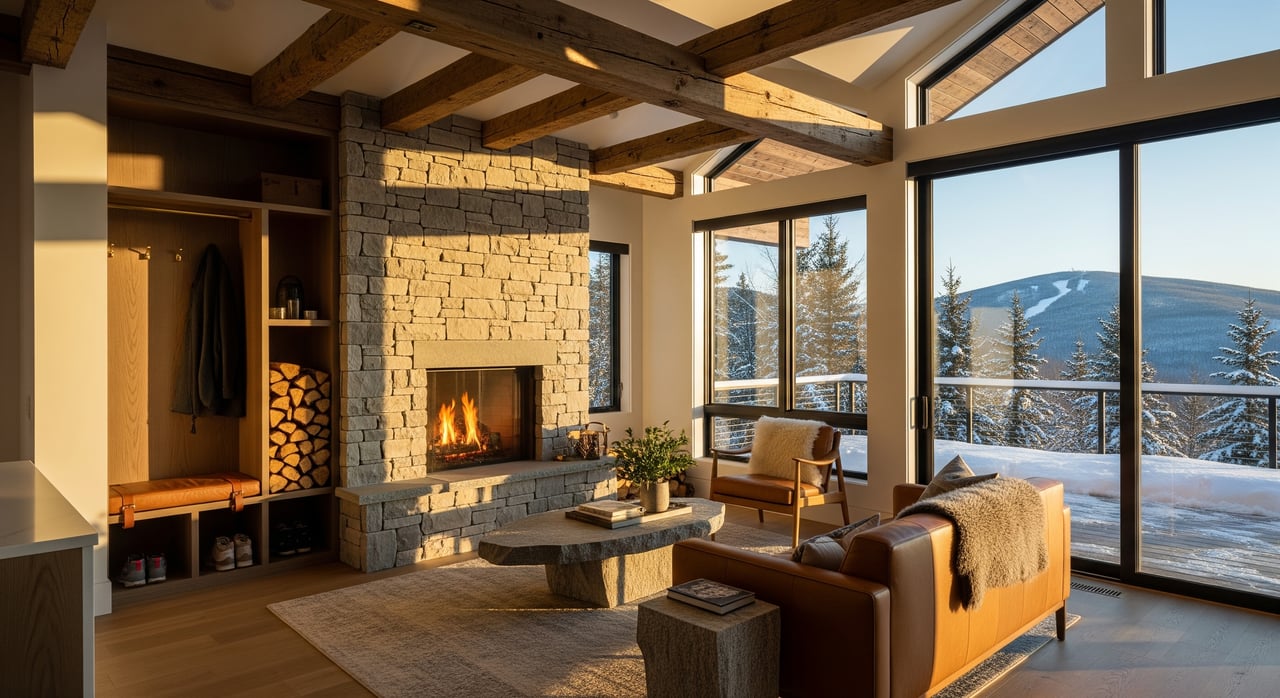

A good ski day begins and ends in the mudroom. In Stratton, where winter is long and snowy, a smart mudroom saves time, protects your home, speeds up rental turnover, and boosts resale appeal. This guide breaks down what to plan, what to buy, and how to stage it. You will also find a simple checklist and a 7‑day timeline you can follow.
Stratton Mountain averages about 180 inches of natural snowfall each year, with most terrain covered by snowmaking, so homes see lots of wet gear and heavy use in winter. Plan for fast drying, safe floors, and durable storage to keep things tidy and renter ready. Source
What to consider before you redesign: use, flow, and priorities
Start by naming your main goal. Is your mudroom for family weekends, frequent rental guests, or to prep for listing photos and showings? Your answer sets the plan.
- Who will use it most: owners, weekend guests, or rental guests. Owners may want larger cubbies and a pet zone. Rentals benefit from labeled storage and easy cleaning.
- Which entry to prioritize: most choose the door closest to the driveway or garage. If you have ski‑in access, outfit that entry too with mats and a defined wet zone.
- Rank your functions: drying speed, storage volume, and cleaning ease. In Stratton’s cold, drying speed usually wins.
- Small vs. separate room: a hallway can work with slim built‑ins and a bench. A separate room can include laundry, floor drain, and radiant heat.
Core mudroom must‑haves
Storage solutions — lockers, cubbies, and secure gear closets
Assign a spot for each person or guest. Built‑in lockers or labeled cubbies keep coats, helmets, and gloves separate and easy to find. Aim for about 18 inches deep and 70 inches tall for hanging long coats, with 12 to 18 inches of width per user. A vertical rack or tall locker stores skis and poles safely. Add one lockable cabinet for owner‑only items or tuning tools. Durable, moisture‑resistant materials and sealed finishes are worth it. Source
Drying and ventilation — managing wet boots and damp layers
Plan for fast drying. Forced‑air boot dryers are the quickest, while desiccant options are quiet and power‑free but slower. Use at least one electric unit for daily gear plus open shelving for liners. Keep humidity in check with an ENERGY STAR‑rated dehumidifier and target indoor relative humidity at 30 to 50 percent to reduce odor and mold risk. This is key in enclosed mudrooms. Boot dryer overview and dehumidifier guidance
Flooring and finishes — durability and slip resistance
Choose hard‑wearing, water‑tolerant floors. Porcelain or ceramic tile and sealed concrete are top picks, especially if you add radiant heat. If you prefer luxury vinyl plank, confirm it is waterproof and compatible with radiant systems. Look for textured, slip‑resistant finishes. Protect baseboards, use washable wall paint, and select hardware that will not rust. Flooring guide
Seating and transitions — benches, seats, and drop zones
A bench makes getting in and out of boots easier. Ideal seat height is 17 to 19 inches, with 14 to 18 inches of depth. Add storage under the seat for boots or baskets. Place a small shelf or tray near the door for keys, passes, and pocket items so they do not end up on the floor. Bench dimensions
Hooks, wall systems, and quick‑access features
Install heavy‑duty hooks 54 to 66 inches above the floor for adults, and a lower row for kids. Space them 6 to 12 inches apart to fit bulky coats. Rail systems that combine hooks, shelves, and baskets make it easy to reconfigure between seasons or guests. Clear labels help in rental settings. Hook placement basics
Lighting, electrical, and safety features
Use bright, warm task lighting over benches, lockers, and the entry. Add plenty of outlets for boot dryers, heated racks, and device charging. Use GFCI protection in wet areas and make sure any steps or thresholds have slip‑resistant finishes. If you install heated floors, add a dedicated thermostat and a timer for on‑demand use. Radiant overview
Tech, comfort, and rental‑ready amenities
- Laundry near the mudroom saves time. A stacked washer and dryer or a laundry closet nearby lets guests drop wet layers right away.
- Smart access matters. Keyless locks and a lockable delivery bin make remote check‑ins and package drop‑off simple.
- Small conveniences go a long way. Add a wall‑mounted pass holder, boot brush at the door, and a metal bin for ice melt. Consider an outdoor heated entry mat to reduce tracked ice.
- Manage energy. Continuous ventilation and heated racks draw power. Use timers and smart plugs to run dryers and dehumidifiers only when needed.
Budget‑friendly solutions vs. pro upgrades
- Low‑cost wins: heavy‑duty scraping mat outside and absorbent rug inside, 2 rows of wall hooks, clear storage bins with labels, and a compact, portable boot dryer. Peel‑and‑stick waterproof tiles can bridge a season if a full floor upgrade is not ready yet.
- Mid to high upgrades: custom built‑ins sized for ski gear, a radiant tile floor, mechanical boot dryers for multiple pairs, and a ducted or whole‑home dehumidifier for large groups. Radiant floors are efficient and feel great in winter, but add cost, so many owners zone them only in baths and the mudroom. Radiant floor guide
- Where it pays off: in rental listings and resale photos, buyers notice clean, heated tile floors, organized lockers, and dry gear stations. These features signal low maintenance and high comfort.
Durability, maintenance, and seasonal prep
- Cleaning routine: shake and vacuum mats weekly, mop floors with a salt‑safe cleaner, and wipe lockers, bench fronts, and hooks. Empty and wash drip trays under racks.
- Pre‑season checks: test boot dryers, replace worn mats, inspect caulk at baseboards, verify GFCI outlets, and run your dehumidifier to confirm drainage. If you have a floor drain or utility sink, confirm traps are primed and lines are protected from freezing. Vermont winters require correct slope, insulation, and sometimes heat tape on exposed runs. Drain and freeze tips
- Storage rotation: label bins by size and season, then rotate gloves and base layers forward. For rentals, keep spare glove liners and dryer pegs in a marked bin.
- Turnover checklist: wipe door glass, reset boot dryers, empty lint traps, restock ice melt, and replace wet mats as needed.
Staging and listing presentation — make the mudroom sell or rent faster
Keep the space tidy and guest ready. For photos, show skis neatly on a rack, a pair of boots on a dryer, and a warm bench with simple, neutral textiles. Clear labels and closed cabinets signal easy maintenance. In listing copy, highlight radiant floors, dehumidification, secure storage, and smart entry for remote check‑ins. These features photograph well and speak to real winter living in Stratton.
Quick checklist and 7‑day timeline for a practical refresh
- Day 1: Measure the room and sketch the flow. Mark zones for wet entry, drying, and storage. Note outlet locations.
- Day 2: Deep clean. Vacuum, mop, wash walls, and scrub baseboards. Launder mats or replace.
- Day 3: Install hardware. Add hooks at two heights, mount a shelf, and set up labeled bins. Add a key and pass holder.
- Day 4: Drying setup. Place boot dryers, test dehumidifier, and add a drip tray. Set smart plug timers.
- Day 5: Floor and mats. Add a heavy outdoor scraper mat and an indoor absorbent runner. Consider a heated entry mat if icing is common.
- Day 6: Bench and seating. Install or reposition a bench at 17 to 19 inches high. Add baskets underneath.
- Day 7: Safety and staging. Check GFCI outlets, add brighter bulbs, photograph the space, and pack a renter‑ready kit.
Renter‑ready kit: extra dryer pegs, microfiber cloths, gloves liners, boot brush, ice melt, spare door code card, and laminated house rules for gear.
Local rules and when to call a pro
If you plan to add a floor drain, utility sink, or permanent radiant heat, check permits and codes first. Vermont’s Division of Fire Safety publishes the adopted building and plumbing codes, and local enforcement can vary by town. Coordinate with a licensed plumber and electrician for safe, code‑compliant work. Vermont code resource
Conclusion and local next step
A well‑designed mudroom keeps your Stratton home cleaner, drier, and more attractive to renters and future buyers. If you are planning upgrades before listing or want advice on what will add value, Book a Private Consultation with Jacki Murano for local, practical guidance.
FAQs
Q: What flooring holds up best in a Stratton mudroom?
A: Porcelain or ceramic tile and sealed concrete are top choices. They pair well with radiant heat and resist water and grit. Flooring guide
Q: How do I control odor and dampness from wet ski gear?
A: Use forced‑air boot dryers and an ENERGY STAR‑rated dehumidifier, and aim for 30 to 50 percent indoor humidity. Dehumidifier guidance
Q: Is radiant floor heat worth it in just the mudroom?
A: Yes, many owners zone radiant only in high‑impact areas like mudrooms and baths for comfort and faster drying. Radiant overview
Q: Do I need a floor drain?
A: Not always, but it helps with heavy melt. In freezing climates, drains need correct slope, insulation, and sometimes heat tape. Check local codes first. Code resource
Q: What size should lockers and benches be?
A: Plan locker depth around 18 inches, height about 70 inches, and 12 to 18 inches of width per user. Benches work best at 17 to 19 inches high and 14 to 18 inches deep. Dimensions