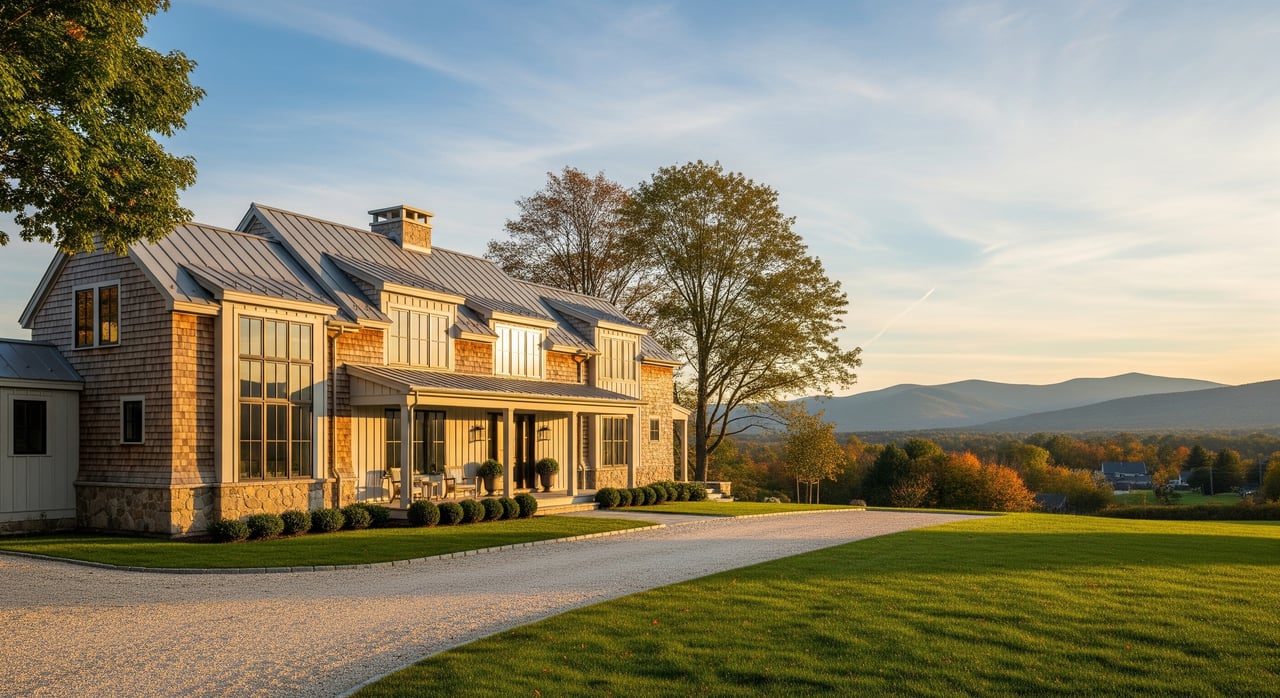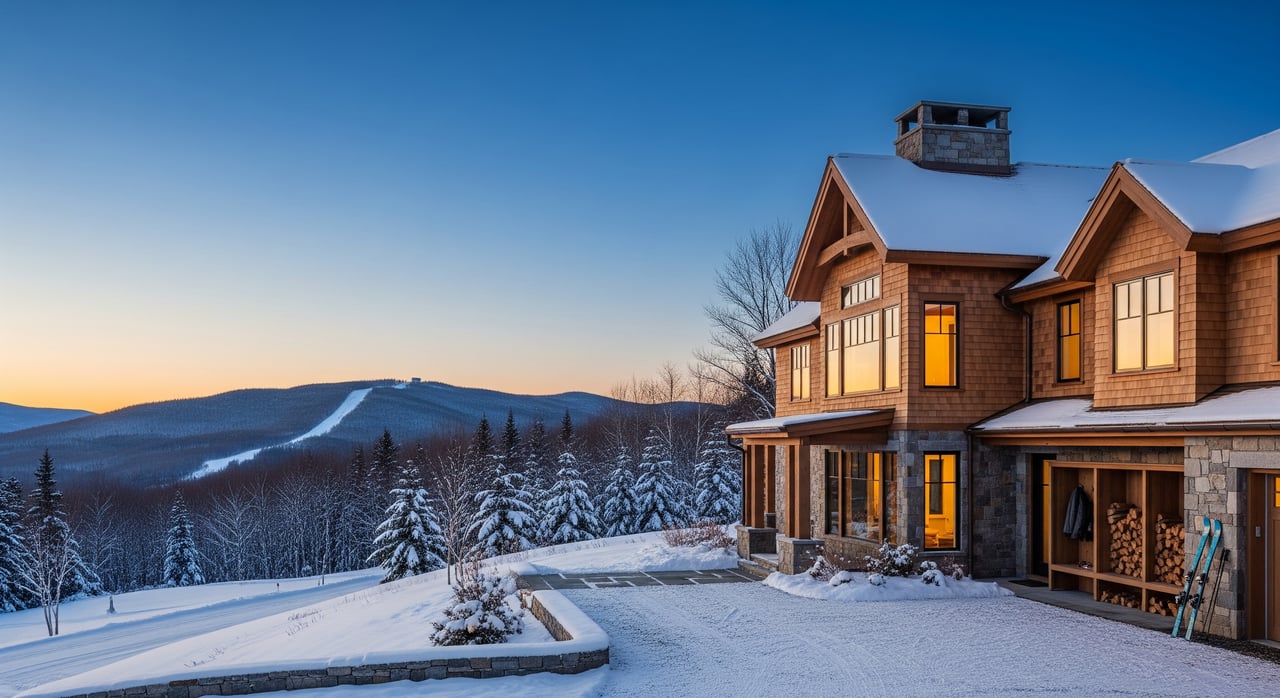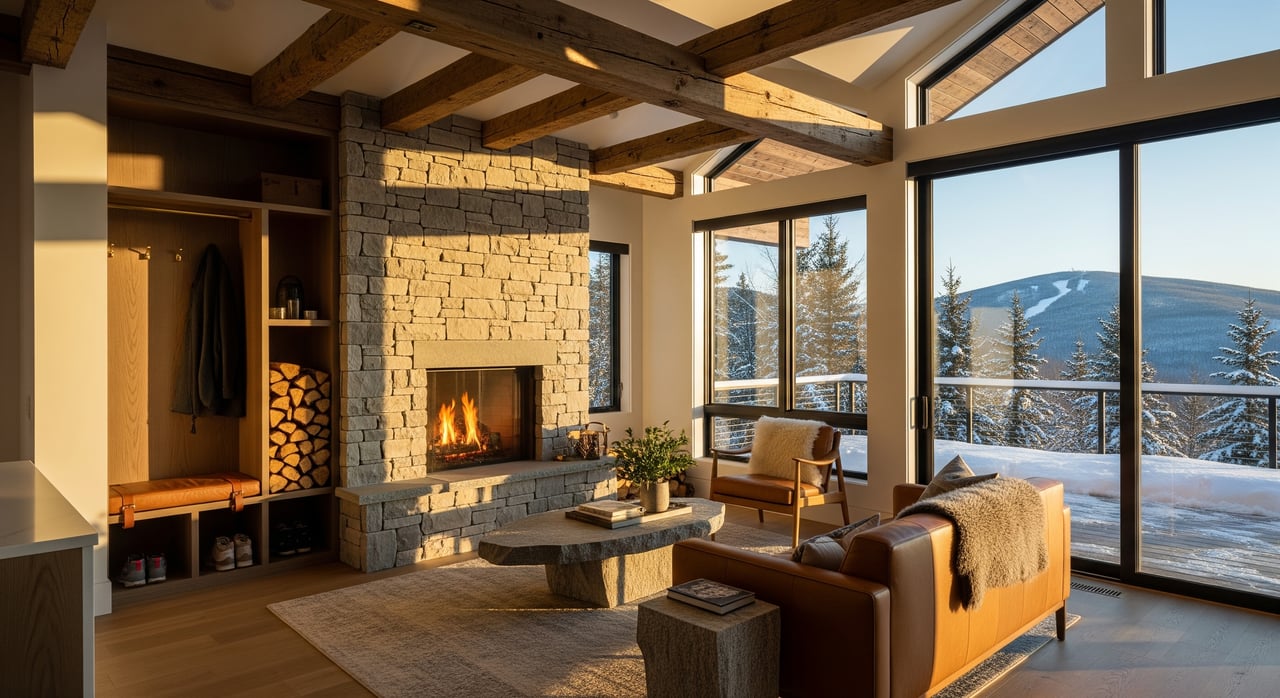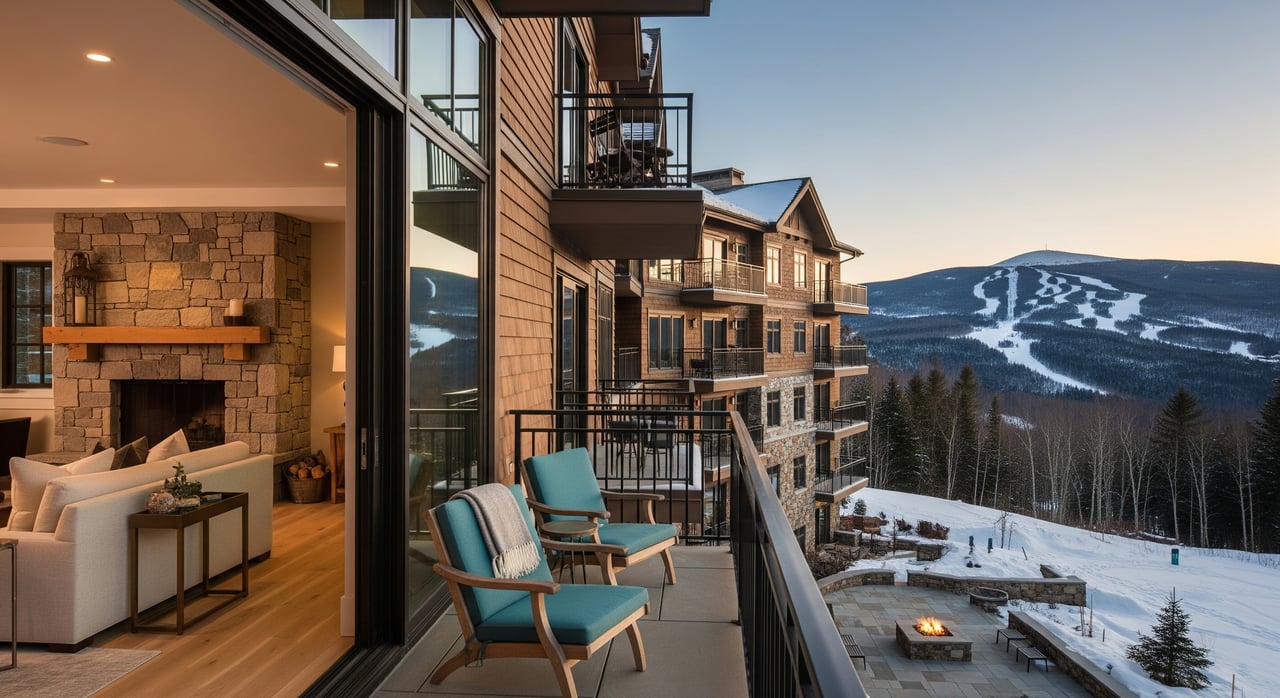
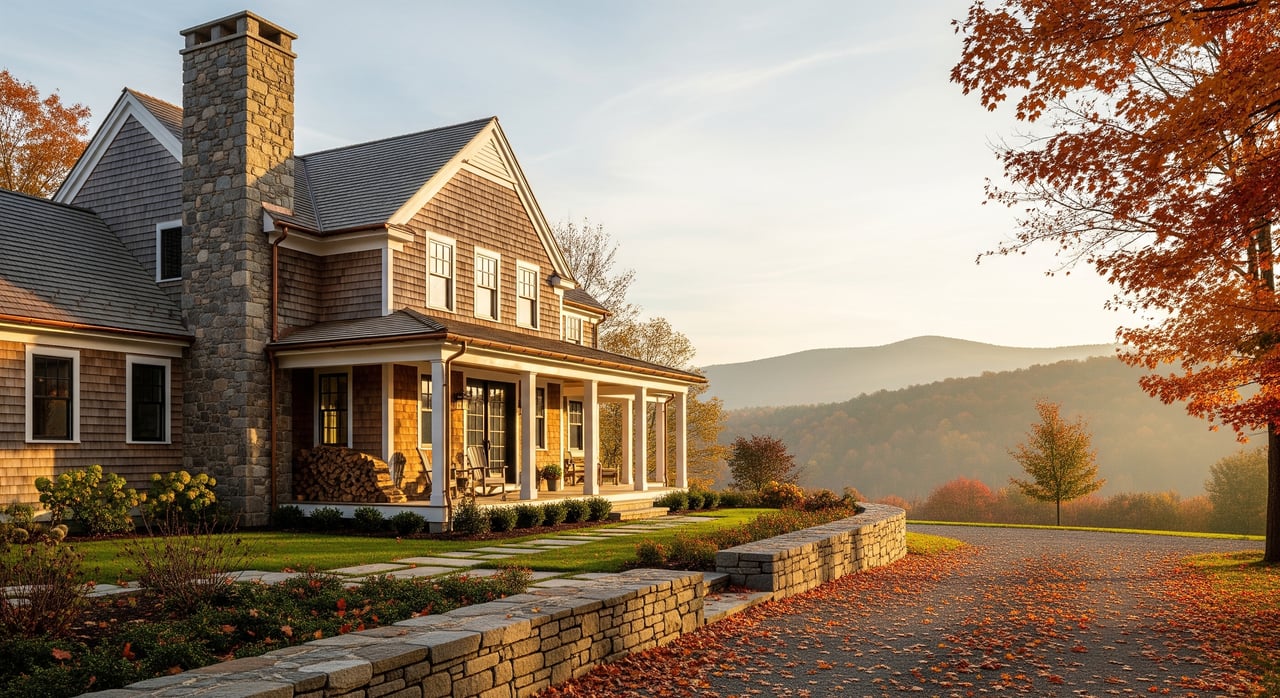
Dreaming of a cozy Vermont getaway but unsure how second-home mortgages work? You are not alone. Financing a vacation home in Brattleboro or anywhere in Windham County follows different rules than buying your primary residence. In this guide, you will learn how lenders define a second home, which loan options typically work in Vermont, what underwriters expect, local property considerations, and the key costs and tax points to plan for. Let’s dive in.
What lenders call a second home
A second home is a property you use part of the year that is not your main residence. Lenders treat this differently from both a primary home and an investment property. That difference affects down payment, interest rates, and how much cash you need in reserves.
If you plan to rent the property often, especially as a short-term rental, many lenders will classify it as an investment property. Lenders look at your occupancy plans and may review occupancy statements, tax returns, and your mailing address to confirm how you will use the home.
Your financing options in Vermont
Conventional loans for second homes
Conventional financing is the most common path for second homes. While exact requirements vary by lender, here is what you should expect:
- Down payment: many lenders ask for about 10 percent minimum on a second home. Larger down payments can improve pricing and approval odds.
- Credit: strong credit is important. Scores of 700 or higher are common targets for best pricing, though some lenders approve lower scores with higher down payments.
- Debt-to-income: total DTI limits are often tighter for second homes. Many lenders cap at about 45 to 50 percent depending on your profile.
- Reserves: lenders often want 3 to 6 months of reserves, measured as full mortgage payments including taxes and insurance. Higher loan amounts or seasonal locations may require more.
- Mortgage insurance: PMI may be available with less than 20 percent down, but pricing can differ for second homes. Some lenders prefer 20 percent down to avoid PMI.
- Appraisal: appraisers look for comparable second-home sales. Unique vacation properties may call for a specialized appraiser.
Government-backed programs usually do not apply
FHA, VA, and USDA programs are generally for primary residences only. If you are buying a true second home or vacation property, conventional financing is the primary route. Always confirm current program rules with your lender.
What underwriters will verify
Expect a full review similar to a primary-home loan, with a few added checks:
- Income and assets: W-2s, pay stubs, tax returns when needed, and bank or brokerage statements to verify your down payment and reserves.
- Occupancy: you will sign an occupancy affidavit stating your intent to use the property as a second home rather than a primary home.
- Appraisal and property condition: a full appraisal is common. For vacation or seasonal homes, appraisers look for suitable comps and may note heating systems and access.
- Title and HOA: lenders review title and any HOA documents. Condo projects must meet eligibility standards, including limits on investor-owned units and HOA delinquency rates.
- Short-term rental disclosures: if you plan to rent, disclose it. Many lenders will switch the loan to investment property terms if short-term rentals are planned.
Practical tip: local Vermont credit unions and community banks sometimes have different overlays than national lenders. Shop and compare.
Brattleboro and Windham County factors
Wells, septic, and heating
Many homes in Windham County use private wells and septic systems. Plan for dedicated inspections and, if needed, water quality testing. Heating systems such as oil, propane, or wood are common and can affect both underwriting and insurance.
Year-round access and seasonal homes
Confirm year-round road access and snow removal. Seasonal or limited-access homes can prompt lenders to require larger reserves or different terms if occupancy is restricted by condition or access.
Flood risk along rivers
Brattleboro has areas near rivers that fall within floodplain zones. If a home sits in a Special Flood Hazard Area, flood insurance is typically required for mortgages from regulated lenders. Even outside mapped flood zones, insurers or lenders may still recommend or require coverage based on risk.
Condos and HOAs in vacation settings
Condo projects must meet eligibility criteria for second-home financing, including owner-occupancy percentages and HOA budget health. Projects with high short-term rental activity can be ineligible for conventional second-home loans. Review HOA bylaws and financials carefully.
Local rules on short-term rentals
Brattleboro and other Windham County towns may require registration, zoning compliance, or lodging taxes for short-term rentals. These rules can affect whether your lender views the property as a second home or an investment.
Costs, insurance, and taxes
Interest rates and pricing
Second-home mortgages usually carry a modest rate premium compared with primary homes. Your down payment, credit score, DTI, and property classification all influence pricing. Shop lenders to compare offers.
Closing costs and reserves
Expect standard closing costs like appraisal, lender fees, title insurance, and recording charges. Many lenders will also require escrow accounts for property taxes and insurance. Be prepared for the added reserve requirements common with second homes.
Home and flood insurance
Homeowners insurance on a second home can cost more, especially if the property is seasonal, in a remote area, or used for rentals. If the home is in a mapped flood zone, flood insurance may be mandatory. Some insurers want winterization plans or proof of year-round maintenance for seasonal properties.
Tax considerations
- Mortgage interest: interest on a primary and one second home may be deductible within federal limits. Check current IRS rules and limits.
- Property taxes: the federal deduction for state and local taxes is capped. Review how this affects your overall plan.
- Capital gains: the exclusion for the sale of a principal residence applies only if you meet ownership and use tests for your primary home. It generally does not apply to second homes unless you convert the property to your primary residence and meet IRS tests.
- Rental use: renting introduces tax reporting, potential depreciation, and other rules. Short-term rentals can have different tax treatment. Speak with a tax professional for your situation.
Your step-by-step game plan
- Get prequalified with a lender experienced in second-home loans. Ask about down payment, reserves, and occupancy rules.
- Clarify your intended use. If you plan short-term rentals, confirm whether the loan will be treated as a second home or an investment.
- Order a full home inspection, plus well and septic inspections when applicable.
- For condos, review HOA budgets, owner-occupancy percentages, rental policies, and any assessments.
- Check flood risk. Review local floodplain information and request insurance quotes, including flood coverage if relevant.
- Confirm local rules for short-term rentals with the Brattleboro zoning or planning office and applicable Windham County departments.
- Talk with a CPA about mortgage interest deductions, property tax implications, and capital gains planning.
Quick scenarios to consider
Riverfront cottage
Great for relaxation, but verify flood zone status early. Get flood insurance quotes and budget for a possible rate premium on the mortgage. Confirm year-round access and winterization needs.
In-town historic home
Older systems may require more inspection attention. Review insurance coverage for older homes and plan for maintenance reserves. Lenders will still expect clear occupancy plans as a second home.
Condo near recreation
Condo eligibility matters. Ask your lender to screen the project for owner-occupancy ratios and HOA financial health. Review rental rules to avoid a reclassification to an investment loan.
Local help for a smoother purchase
Buying a second home in Vermont is a lifestyle decision and a financial one. When you pair the right loan strategy with careful local due diligence, you set yourself up for a low-stress closing and enjoyable ownership.
If you are weighing options in Brattleboro or across Windham County, connect with Southern Vermont Realty Group for guidance tailored to second-home and resort markets. Book a Private Consultation to map out your plan with a calm, high-service approach.
FAQs
Can I use FHA or VA for a second home in Vermont?
- Generally no. FHA and VA loans are for primary residences, so most second-home buyers use conventional financing.
How much down payment is typical for a second home in Windham County?
- Many lenders look for about 10 percent down as a common minimum for second homes, with higher down payments improving terms.
Will my second-home mortgage rate be higher than for my primary home?
- Often yes. Second-home loans usually carry a modest premium. Your credit, down payment, and overall profile affect the final rate.
Can I rent my Brattleboro second home on weekends without changing the loan type?
- Maybe not. Frequent short-term rentals can trigger an investment property classification with different down payment and pricing. Confirm lender policy and local rental rules first.
Do I need flood insurance near the Connecticut River?
- If the home is in a Special Flood Hazard Area, lenders typically require flood insurance. Even outside those zones, coverage may be recommended based on risk.
How will owning a second home affect my taxes?
- Mortgage interest and property tax deductions have federal limits. The capital gains exclusion generally applies to a primary residence only. Consult a tax professional for your specific situation.